



Advanced CDN Configurations for Media Streaming: Optimizing Performance, Reliability, and Cost
In today's digital landscape, delivering high-quality streaming media experiences has become a critical competitive advantage for businesses across industries. Whether you're running an entertainment platform, e-learning service, or corporate communications system, the efficiency of your content delivery network (CDN) configuration can make or break user experience. This blog explores advanced CDN configurations specifically optimized for media streaming, highlighting how these sophisticated setups can transform your digital presence.
Understanding the Evolving Media Streaming Landscape
The demand for streaming media continues to surge, with global Internet video traffic now accounting for over 65% of all global internet traffic in 2024, according to recent Cisco Visual Networking Index reports. Video streaming has seen a compound annual growth rate of approximately 24% since 2019, making it the fastest-growing category of internet usage.
This exponential growth introduces significant technical challenges:
- Viewers now expect buffer-free playback across diverse network conditions
- Media libraries have expanded to include 4K, 8K, and HDR content that requires massive bandwidth—a single 4K HDR stream can consume up to 25 Mbps of consistent bandwidth
- Global audiences demand low-latency delivery regardless of geographic location, with 68% of viewers abandoning streams that buffer for more than two seconds, according to Akamai's 2023 State of Online Video report
- The complexity of adaptive bitrate streaming necessitates sophisticated origin-to-edge orchestration, especially as content libraries grow increasingly diverse
- The rise of mobile viewership, which now accounts for 70% of all video consumption according to Sandvine's 2024 Global Internet Phenomena Report, further complicates matters by creating unpredictable network conditions that streaming services must accommodate
Standard CDN implementations are no longer sufficient for organizations serious about media delivery. Let's explore how advanced configurations can address these challenges.
Multi-CDN Architectures: The New Gold Standard
Why Single CDN Solutions Fall Short
Traditional single-CDN approaches create several vulnerabilities in today's demanding media environment:
- They introduce single points of failure during CDN outages, leaving content inaccessible to users when problems occur
- These solutions often have performance gaps in specific geographic regions, where certain CDNs might have limited infrastructure or connectivity
- Single-CDN providers typically offer inflexible pricing models that remain static regardless of traffic patterns, preventing cost optimizations based on actual usage
- Many also provide limited optimization capabilities for specific content types, which can impact performance for specialized media formats
Implementing Dynamic Multi-CDN Routing
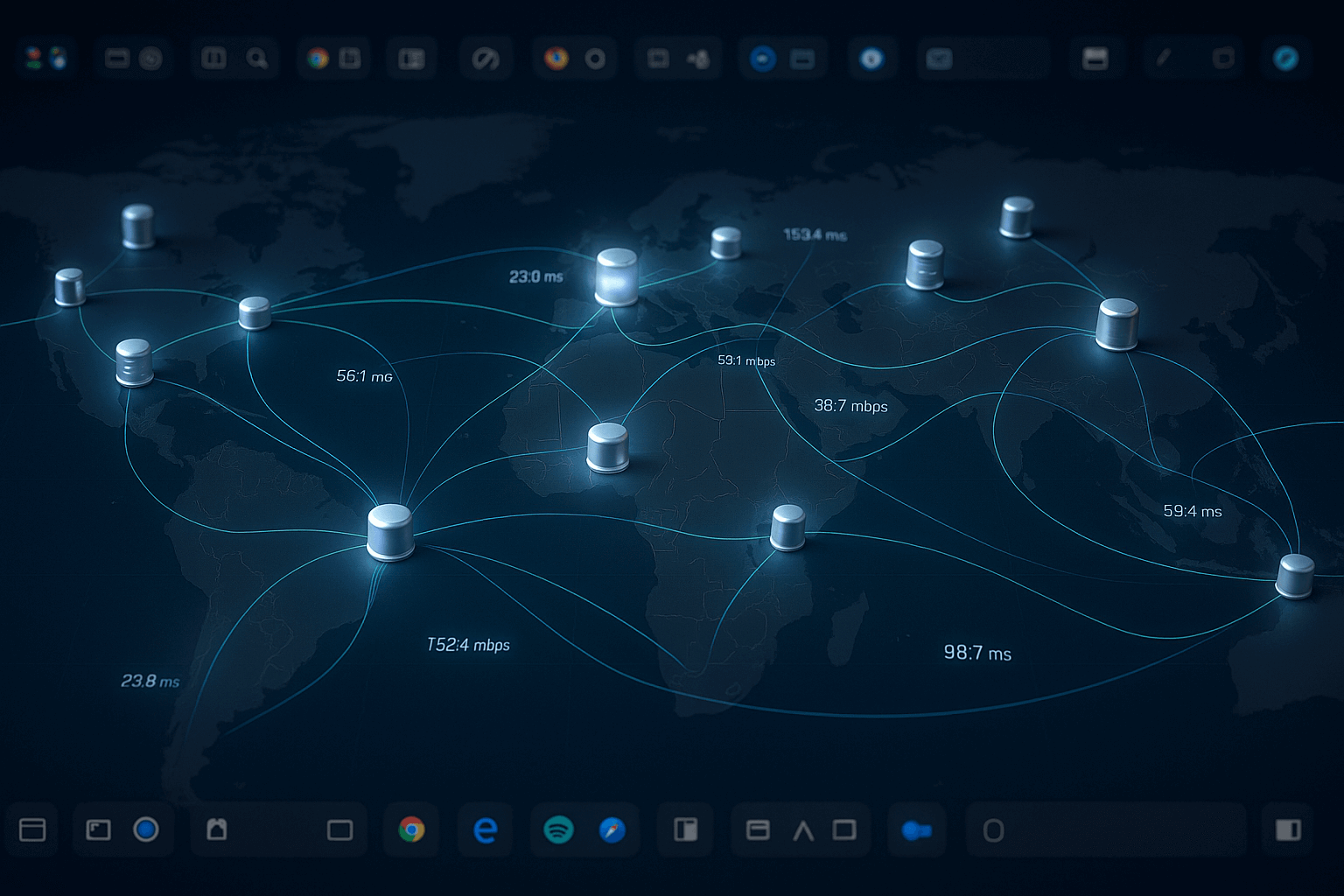
Advanced multi-CDN architectures utilize real-time decision engines to route requests intelligently based on various factors:
- Current CDN performance metrics by region, evaluating which provider offers the best delivery for specific geographic areas at any given moment
- Content type and size considerations
- Network conditions and congestion
- User device capabilities to make optimal routing decisions
This sophisticated approach requires complex orchestration but delivers substantial benefits. Our clients implementing multi-CDN strategies typically report a 30-45% reduction in rebuffering events, along with 15-20% improvement in startup times. They also experience enhanced resilience during CDN-specific outages and optimized delivery costs through intelligent traffic steering that takes advantage of the best pricing across multiple providers.
Edge Computing Integration: Processing at the Perimeter
Traditional CDN models focus primarily on caching static assets. Advanced configurations now incorporate edge computing capabilities to perform critical processing at the network edge, closer to end users.
Edge computing enables:
- On-the-fly transcoding
- Dynamic video compression
- Real-time content protection
- Personalized ad insertion without round-trips to origin servers
It also transforms analytics capabilities through:
- Real-time quality of experience monitoring
- Viewer behavior analysis
- Predictive buffering
- Network condition mapping
This architectural approach significantly reduces origin server load while improving viewer experiences, particularly valuable for live streaming where processing latency directly impacts user experience.
Advanced Cache Optimization Strategies
Intelligent Content Preloading
Standard CDN caching relies on reactive models. Advanced configurations implement predictive preloading through:
- Content popularity forecasting
- Scheduled preloading for anticipated high-demand events
- Geographic-specific preloading
- Automatic cache warming before promotional campaigns
Dynamic TTL Management
Sophisticated CDN configurations implement dynamic time-to-live management with:
- Content-aware TTL assignment
- Popularity-adjusted cache retention
- Origin health-responsive TTL extension
- Viewer demographics-driven cache strategies
These techniques dramatically reduce origin hits while ensuring content freshness—a critical balance for media streaming platforms.
Protocol Optimization for Modern Streaming
HTTP/3 and QUIC Implementation
Forward-thinking CDN configurations leverage HTTP/3 and QUIC protocols for:
- Improved performance on unstable networks
- Reduced connection establishment time
- Better multiplexing
- Enhanced mobile viewing experiences
WebRTC Integration for Ultra-Low Latency
For near-real-time delivery needs, advanced CDN setups incorporate WebRTC technology, enabling:
- Sub-second latency
- Peer-assisted delivery capabilities
- Direct browser-to-browser communication
- Reduced server infrastructure requirements
These protocol optimizations deliver tangible improvements for live event streaming and interactive media applications where timing and responsiveness are critical.
Security Configurations for Premium Content
Media streaming presents unique security challenges, particularly for premium content distribution. Advanced configurations address these through robust protection mechanisms.
Multi-layered DRM Integration
Modern CDNs offer:
- Seamless multi-DRM support (Widevine, PlayReady, FairPlay)
- License delivery optimization
- Secure key rotation mechanisms
- Studio-compliant security implementations
Token-Based Authentication Enhancement
Beyond basic encryption, advanced CDNs implement:
- Short-lived geography-specific tokens
- Device fingerprinting integration
- Viewer behavior anomaly detection
- Granular access control mechanisms
These security enhancements protect valuable content while minimizing authentication overhead that could impact viewing experiences.
Cost Optimization Through Intelligent Routing
Advanced CDN configurations don't just improve performance—they significantly reduce delivery costs through sophisticated traffic management.
Tiered Delivery Architecture
A well-designed tiered architecture leverages:
- Reserved capacity for predictable traffic
- Spot-priced CDN resources for variable loads
- Hybrid peer-to-peer integration for popular content
- Origin shield implementation to reduce egress costs
Analytics-Driven Cost Management
Sophisticated configurations incorporate:
- Real-time spend visualization dashboards
- Automatic traffic shifting based on cost thresholds
- Compression optimization based on ROI analysis
- Predictive budgeting tools
Our clients implementing these cost optimization strategies typically achieve 20-35% cost reduction while maintaining or improving performance metrics.
Implementation Considerations and Best Practices
Phased Migration Approach
Implement advanced configurations through a measured process:
- Establish baseline performance
- Conduct dual-delivery tests with a subset of content or users
- Gradually expand coverage
- Maintain fallback mechanisms during transition
Comprehensive Monitoring Strategy
Deploy:
- Real-user performance metrics collection
- Synthetic transaction testing across regions
- Cost versus performance efficiency tracking
- Competitive benchmarking measurements
Continuous Optimization Framework
Establish:
- Weekly performance reviews
- A/B testing for configuration adjustments
- Automated alerting for performance anomalies
- Regular CDN provider evaluations
Real-World Impact and Conclusion
Organizations implementing advanced CDN configurations report transformative results:
- A leading sports streaming platform reduced stream startup time by 42% and cut delivery costs by 28% through multi-CDN implementation
- An educational media provider eliminated 94% of buffering events during peak usage periods with edge-based adaptive bitrate optimization
- A corporate communications platform reduced global latency by 67% through regional edge computing deployment
As media streaming continues to dominate internet traffic, the sophistication of your CDN configuration increasingly determines your competitive position. Organizations implementing advanced configurations gain significant advantages in viewer experience, operational resilience, cost efficiency, and platform differentiation.
While implementing these configurations requires expertise and careful planning, the return on investment is substantial and measurable. In an increasingly video-centric digital landscape, advanced CDN configurations aren't just a technical optimization—they're a strategic business imperative.
This blog post is brought to you by EfficientStack. We specialize in advanced media delivery solutions designed to optimize performance, reliability, and cost-efficiency for enterprises. Contact our team to learn how we can transform your streaming infrastructure.