
Building Resilient Systems: Lessons from High-Scale Operations
In today's digital landscape, system failures aren't just inconvenient—they're costly. When Netflix experiences downtime, they lose approximately $1.2 million per hour. When Amazon's servers go down, the impact reaches billions. As our dependence on technology increases, so does the importance of building systems that can withstand the unexpected.
The Evolution of Resilience Engineering
Resilience engineering has evolved from a niche discipline to a fundamental aspect of modern technology infrastructure. Ten years ago, conversations about resilience centered primarily on hardware redundancy and basic failover mechanisms. Today, we're discussing complex, adaptive systems that can not only survive disruptions but learn from them.
The definition of resilience has expanded beyond mere recovery. Modern resilient systems anticipate problems, contain failures, maintain critical functions during disruptions, and adapt to new conditions. They don't just bounce back—they bounce forward.
Core Principles of Resilient Systems
Embrace Failure as Inevitable
The most successful high-scale operations recognize an uncomfortable truth: failure is not a matter of "if" but "when." Netflix's Chaos Monkey, which randomly terminates production instances, embodies this philosophy perfectly. By deliberately introducing failures into their system, Netflix engineers prepare for real-world outages before they happen.
This approach represents a fundamental shift in thinking. Rather than striving for perfect reliability (an impossible goal), resilient organizations design systems that function effectively despite imperfect components. They embrace the reality that failures will occur and focus on minimizing their impact.
Design for Graceful Degradation
When failures occur, resilient systems don't simply crash—they degrade gracefully. This means maintaining core functionality even when some components are unavailable. Amazon's shopping cart system, for example, continues to function during peak traffic events like Prime Day by prioritizing essential operations over less critical features.
Graceful degradation requires careful architecture decisions. Systems must be designed to identify their most critical functions and preserve them under stress. This often involves:
- Asynchronous processing that allows non-critical operations to be delayed
- Feature flags that enable quick disabling of problematic components
- Tiered service levels that maintain core functionality while deferring enhancements
Implement Circuit Breakers
Circuit breakers prevent cascading failures by temporarily disabling connections to failing services. Just as an electrical circuit breaker protects your home from power surges, software circuit breakers protect systems from overload.
When implementing circuit breakers, consider three key states:
- Closed: Normal operation with requests flowing through
- Open: Failure detected, requests blocked from reaching the failing service
- Half-open: Tentative recovery, allowing limited traffic to test if the issue is resolved
Circuit breakers allow systems to fail fast rather than hanging indefinitely, preserving resources and improving user experience even during outages.
Decentralize and Distribute
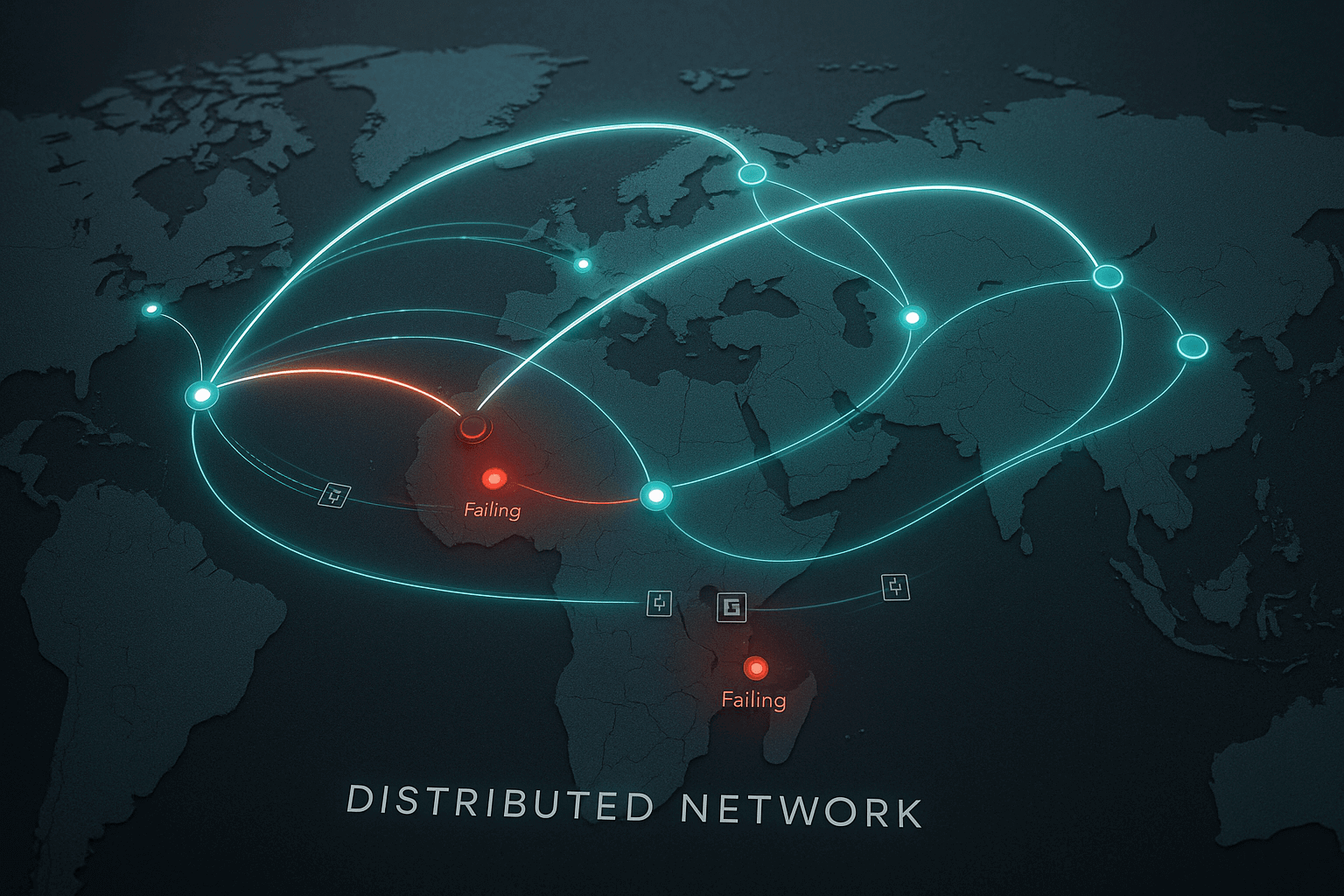
Centralized systems present single points of failure. Distributed systems distribute risk. Companies like Google and Amazon have embraced this principle through their microservices architectures, which break monolithic applications into smaller, independently deployable services.
Distributed systems benefit from:
- Geographic redundancy across multiple regions
- Independent service scaling based on demand
- Reduced blast radius when failures occur
- Improved fault isolation
However, distribution introduces new challenges, including increased network communication, more complex deployment processes, and potential consistency issues. Successful high-scale operations navigate these tradeoffs carefully.
Practical Strategies from Industry Leaders
Prioritize Observability
You can't fix what you can't see. High-performing organizations invest heavily in observability—the ability to understand a system's internal state based on its external outputs. This goes beyond basic monitoring to include:
- Distributed tracing that follows requests across service boundaries
- Detailed logging with contextual information
- Real-time metrics collection and visualization
- Anomaly detection using machine learning
Stripe, for example, traces every API request through their system, allowing engineers to quickly identify bottlenecks and troubleshoot issues across service boundaries. This visibility proves invaluable during incidents, reducing mean time to recovery (MTTR).
Practice Incident Response
When incidents occur, the response matters as much as the prevention. Companies like OpsGenie have refined the art of incident management through clear processes and regular practice. Their approach includes:
- Structured roles during incidents (incident commander, communications lead, etc.)
- Blameless post-mortems that focus on learning rather than punishment
- Scenario-based training exercises that simulate real outages
- Documented runbooks for common failure scenarios
Regular practice ensures that when real incidents occur, teams can respond effectively without improvisation or confusion.
Implement Immutable Infrastructure
Traditional infrastructure management involved making changes to long-lived servers. Modern resilient systems instead embrace immutable infrastructure—servers that, once deployed, are never modified but rather replaced entirely when changes are needed.
This approach offers several advantages:
- Consistency between environments
- Simplified rollbacks (just revert to previous images)
- Elimination of configuration drift
- Reduced troubleshooting complexity
Companies like HashiCorp have built entire product ecosystems around this principle, enabling organizations to treat infrastructure as code that can be version-controlled, tested, and deployed consistently.
Design for Multi-Region Resilience
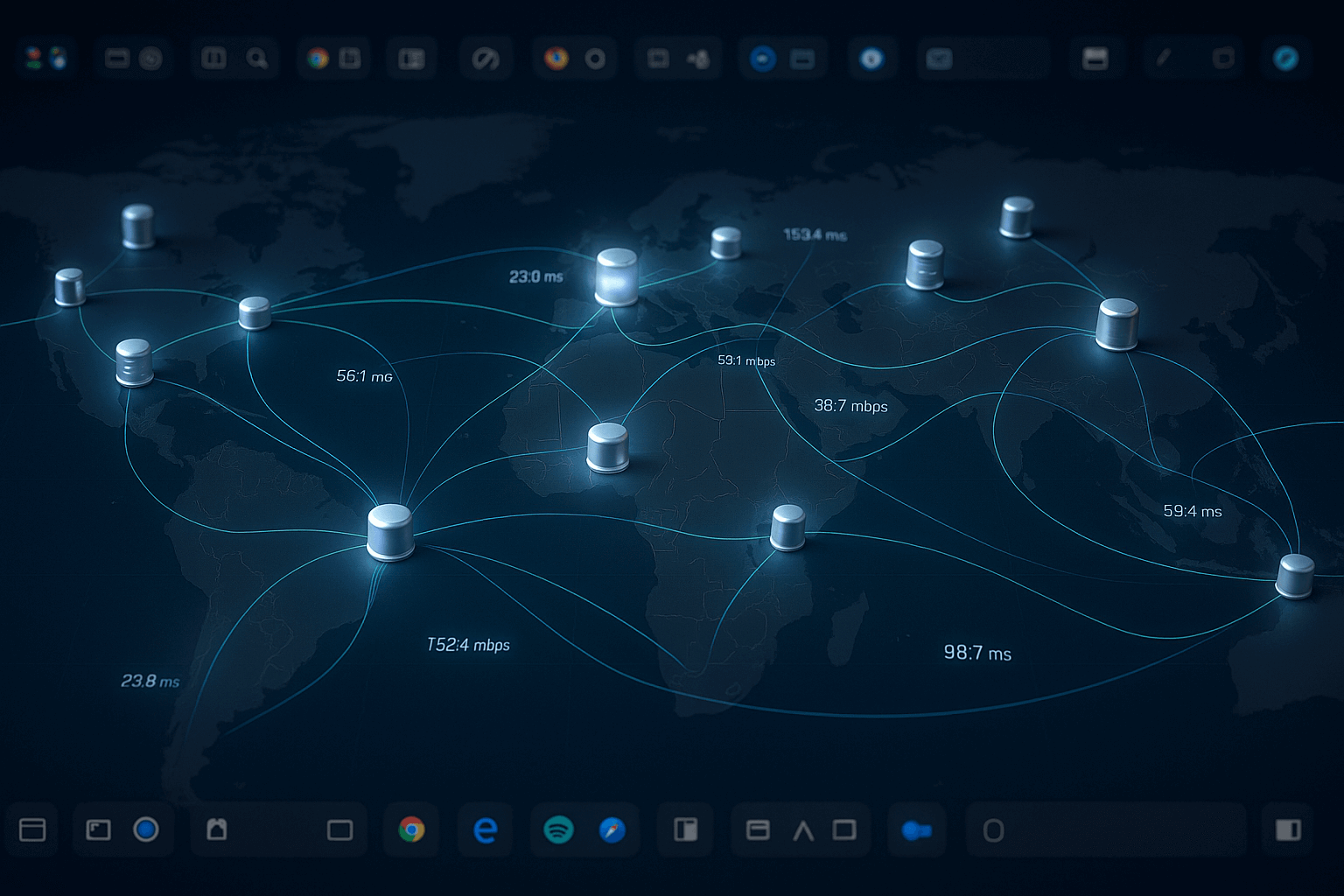
Regional outages happen—even to cloud giants like AWS and Azure. Truly resilient systems plan for these scenarios by distributing workloads across multiple geographic regions.
Financial services company Stripe processes payments across multiple regions simultaneously, ensuring that regional outages don't prevent transactions from completing. Their multi-region architecture includes:
- Active-active deployments where all regions serve traffic simultaneously
- Data replication strategies that balance consistency and availability
- Global load balancing that routes traffic away from impaired regions
- Regular testing of region failover mechanisms
While multi-region architectures add complexity and cost, they provide the highest level of resilience against large-scale outages.
Cultural Foundations of Resilient Organizations
Technical solutions alone aren't enough. Resilient systems require resilient organizations—teams with the right mindset and practices to respond effectively to challenges.
Foster a Culture of Continuous Learning
Organizations that excel at resilience treat every incident as a learning opportunity. Google's Site Reliability Engineering (SRE) teams, for example, conduct thorough post-incident reviews that focus not on assigning blame but on identifying systemic improvements.
This learning culture extends beyond incidents to include:
- Regular team retros that discuss what worked and what didn't
- Shared incident databases that document lessons learned
- Cross-team knowledge sharing sessions
- Embedded learning in everyday work
These practices ensure that knowledge doesn't remain siloed but becomes organizational wisdom that improves system resilience over time.
Balance Reliability and Innovation
Resilience isn't about avoiding change—it's about changing safely. The most successful technology organizations find ways to balance reliability with innovation through practices like:
- Progressive rollouts that limit the impact of new features
- Dark launches that test functionality before exposing it to users
- Synthetic testing that validates changes before deployment
- Canarying that exposes new code to a small percentage of traffic
These approaches allow organizations to move quickly while maintaining system stability, avoiding the false choice between innovation and reliability.
Measuring Resilience
How do we know if our systems are truly resilient? Traditional uptime metrics tell only part of the story. Modern organizations measure resilience through:
Service Level Objectives (SLOs)
Rather than aiming for "five nines" (99.999%) reliability across all services, resilient organizations set appropriate SLOs based on business needs. They recognize that not all services require the same level of reliability and allocate resources accordingly.
SLOs typically include:
- Availability targets (e.g., 99.9% of requests succeed)
- Latency thresholds (e.g., 95% of requests complete within 200ms)
- Error budgets that quantify acceptable failure rates
By setting realistic SLOs, organizations can make informed decisions about when to prioritize new features versus reliability improvements.
Recovery Time Metrics
Resilience isn't just about preventing failures—it's about recovering quickly when they occur. Key recovery metrics include:
- Mean Time to Detect (MTTD): How quickly issues are identified
- Mean Time to Respond (MTTR): How quickly teams begin addressing issues
- Mean Time to Recovery (MTTR): How quickly service is restored
By tracking these metrics over time, organizations can identify trends and continuously improve their incident response capabilities.
The Future of Resilience Engineering
As technology continues to evolve, so too will our approaches to resilience. Several emerging trends are shaping the future of the field:
AI-Assisted Recovery
Machine learning algorithms are increasingly being applied to detect anomalies, predict failures before they occur, and even automate recovery actions. Companies like Datadog and New Relic are investing heavily in AIOps capabilities that promise to reduce human intervention during incidents.
Chaos Engineering at Scale
Netflix pioneered chaos engineering with their Chaos Monkey tool, but the practice is evolving to include more sophisticated experiments. Modern chaos engineering platforms test complex failure scenarios across distributed systems, helping organizations discover weaknesses before they affect users.
Resilience as Competitive Advantage
In an increasingly digital world, resilience is becoming a key differentiator. Organizations that can maintain service during disruptions while their competitors struggle will win customer trust and market share. This recognition is elevating resilience from a technical concern to a business imperative.
Conclusion
Building resilient systems isn't just about technology—it's about people, processes, and culture. The organizations that excel at high-scale operations recognize that resilience emerges from a combination of thoughtful architecture, continuous learning, and disciplined practices.
As we face an increasingly complex and interconnected technological landscape, the lessons from these high-scale operations become invaluable. By embracing failure, designing for degradation, implementing protective patterns, and fostering the right organizational culture, we can build systems that don't just survive disruptions—they thrive through them.
The journey toward resilience is ongoing and iterative. Each incident, each near-miss, each successful recovery provides new insights that can strengthen our systems. By applying these lessons consistently, we can build technology that remains reliable even in an unpredictable world.