
Enterprise Kubernetes Deployments: Building Beyond Basic Orchestration
Over the past decade, Kubernetes has emerged as the de facto platform for container orchestration, powering everything from startups to the world’s largest enterprises. But at scale, running Kubernetes reliably and efficiently requires far more than just deploying workloads and automating basic rollouts. Enterprise organizations must address multi-cluster architectures, advanced networking, and sophisticated operational strategies to achieve a platform that supports mission-critical, global-scale workloads. In this post, we’ll explore these advanced patterns, supported by industry metrics and field-proven best practices.
Why Enterprises Need Sophisticated Kubernetes Patterns
While Kubernetes greatly simplifies container management, out-of-the-box clusters are not sufficient for the complex requirements of today’s enterprise applications. Leading firms demand:
- High availability, disaster recovery, and fault tolerance across cloud regions and data centers.
- Zero-downtime application delivery for customer-facing and revenue-generating services.
- Granular security and governance controls for multi-tenant use, compliance, and risk management.
- Consistent developer and operator experience across teams, geographies, and platforms.
- Scalable networking to facilitate services that span clusters, environments, and hybrid clouds.
Research by VMware in 2023 revealed that 75% of enterprises operate more than 5 Kubernetes clusters, and according to CNCF's 2023 Cloud Native Survey, 41% manage workloads across multiple clouds or on-premises environments. These statistics highlight the clear move toward multi-cluster, distributed approaches at scale.
Multi-Cluster Architectures: Enabling Scalability and Resilience
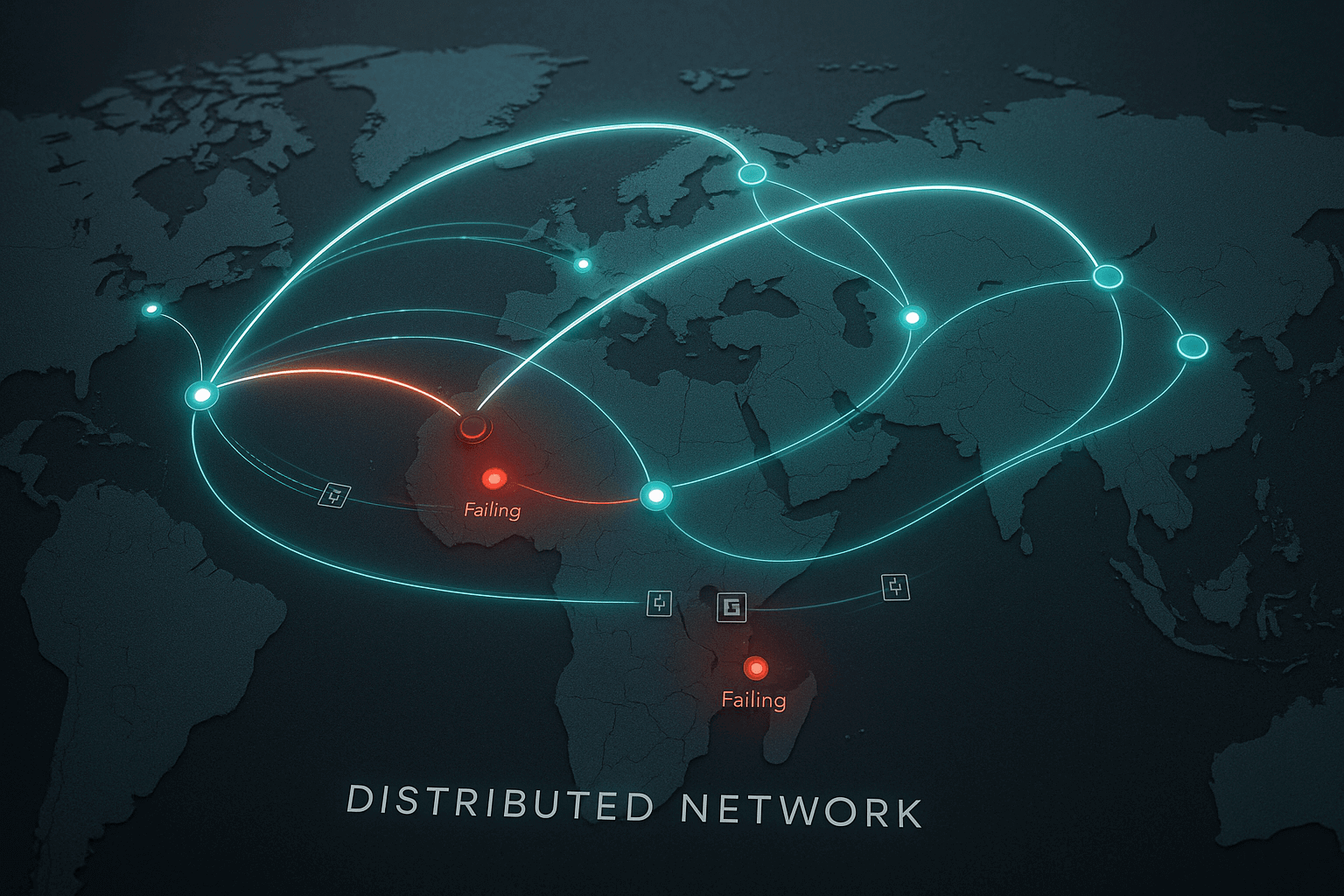
Single-cluster Kubernetes setups quickly reach limits—in terms of scale, blast radius, and regulatory boundaries. Enterprises increasingly adopt multi-cluster architectures to:
- Isolate environments (dev, staging, prod) or business units for governance and resource management.
- Provide geo-distributed clusters for latency-sensitive workloads and data residency requirements.
- Enable disaster recovery by keeping secondary clusters synchronized for failover scenarios.
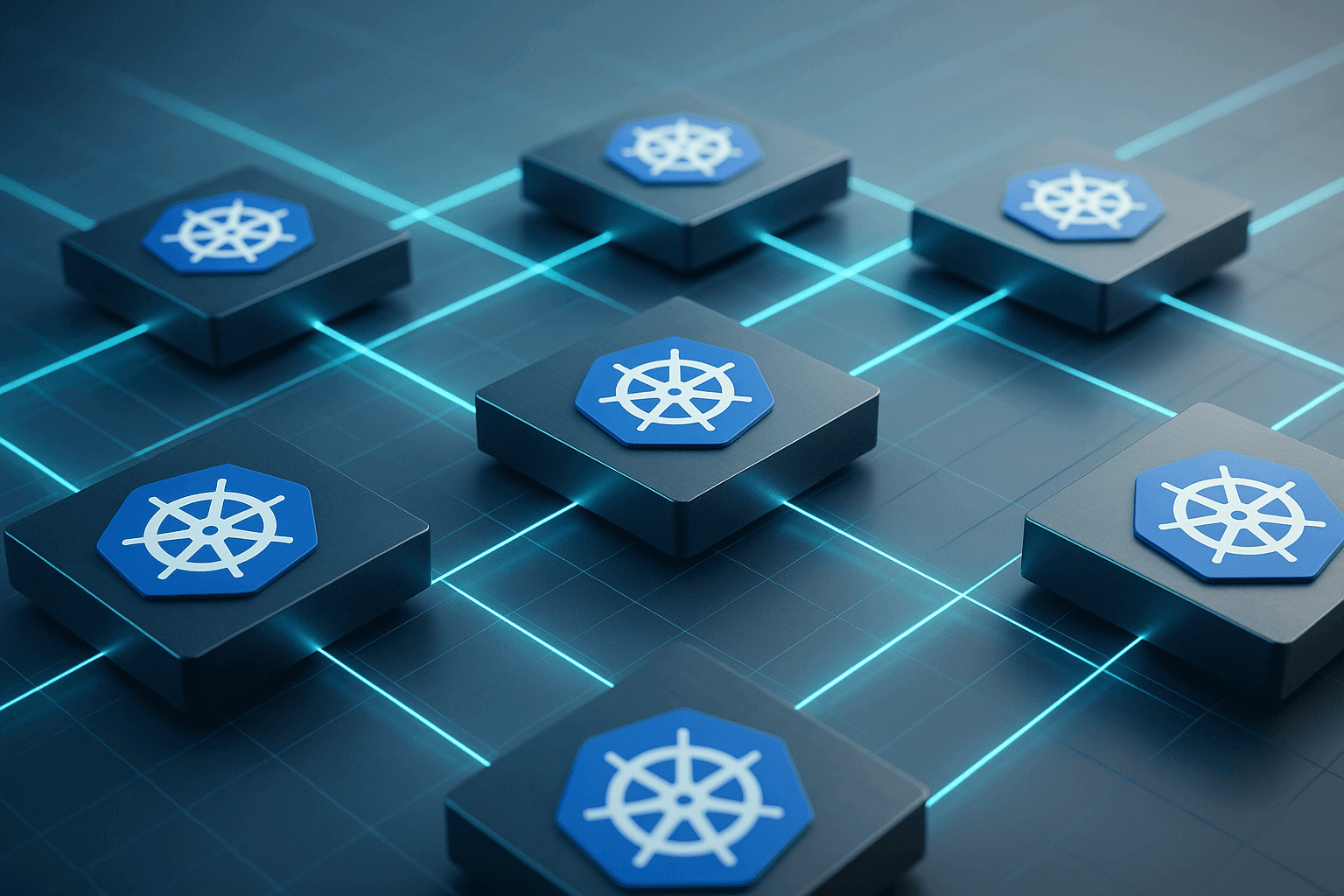
Popular multi-cluster topologies include:
- Federated Control Plane: A common control layer orchestrates policies and workload placement across clusters (though KubeFed adoption remains limited for complex use cases).
- Hierarchical Fleet Management: Solutions such as Google Anthos, Azure Arc, and Red Hat Advanced Cluster Management provide unified governance, policy, and visibility for fleets with varying configurations.
- Service Mesh-Based: Tools like Istio and Linkerd can bridge services across clusters, facilitating cross-cluster communication and security.
Best Practices:
- Use workload affinity/anti-affinity to ensure redundancy and avoid single points of failure.
- Maintain API and resource consistency using GitOps and declarative configurations across all clusters.
- Design for extensible cluster lifecycle management—seamless upgrades, automated scaling, and deprovisioning.
Enterprises such as Adidas, Capital One, and Spotify have reported improved resilience and deployment velocity after embracing multi-cluster strategies, with some running hundreds of clusters globally to distribute risk and optimize performance.
Advanced Networking: Meshes, CNI, and Global Traffic Patterns
Networking sits at the heart of every Kubernetes application. As environments become more complex, so do the demands on the networking stack:
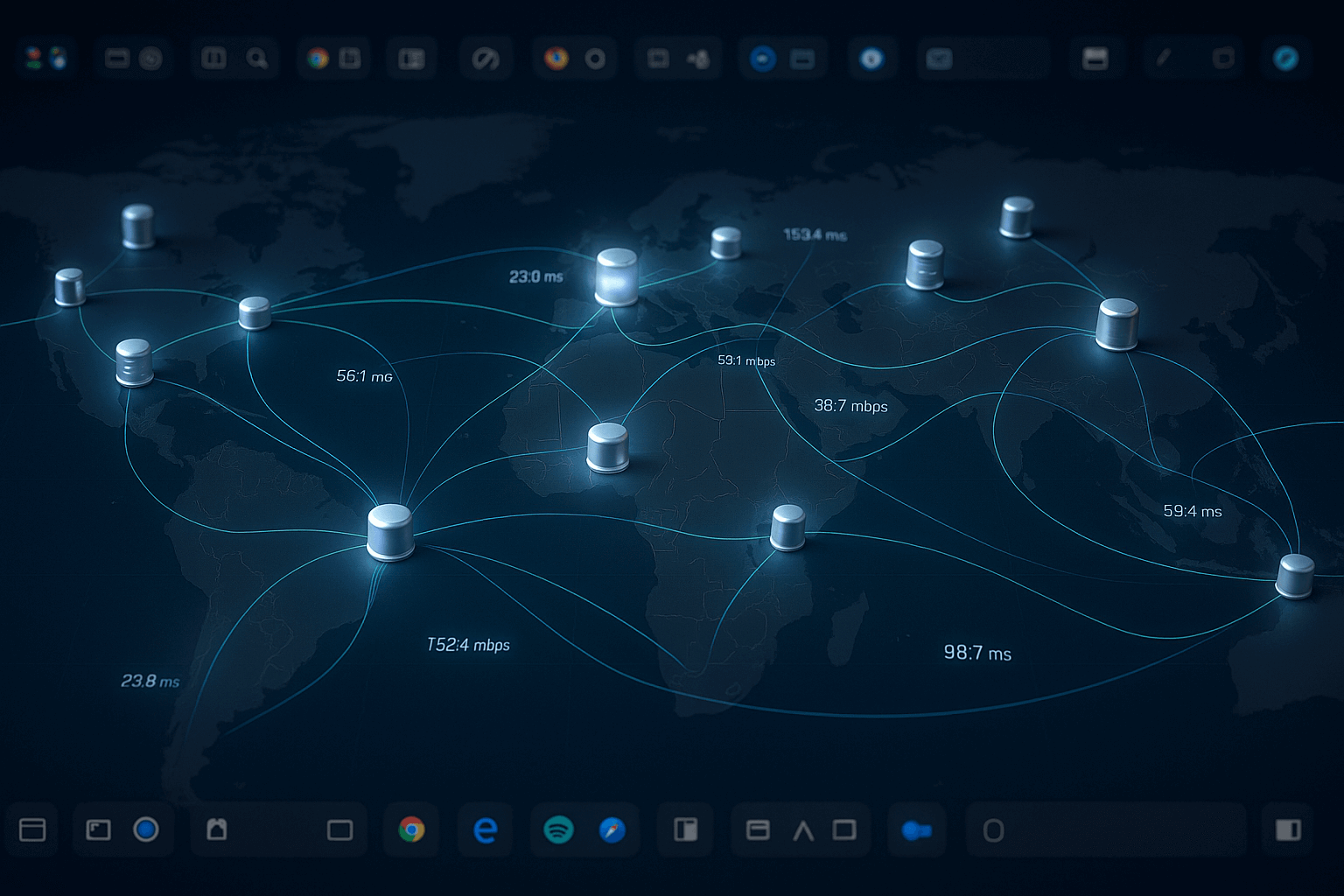
- Cross-Cluster Service Discovery & Load Balancing: Allow microservices in different clusters or regions to communicate seamlessly, often via service meshes like Istio or Consul Connect.
- Global Ingress: Implement global or regional ingress controllers (e.g., NGINX Ingress Controller, Envoy, Gloo) that unify entry points and handle SSL, authentication, and routing.
- Programmable Networking: Modern Container Network Interface (CNI) plugins (such as Cilium, Calico, or AWS VPC CNI) provide advanced policy management, network isolation, and observability.
- Zero Trust Security: Enterprises increasingly enforce east/west encryption, identity-based policies, and audit trails at the network layer using meshes and CNIs.
- Traffic Splitting & Resilience: Implement canary deployments, blue/green releases, and automatic failover with fine-grained traffic controls at the service and ingress mesh.
Metrics underscore these trends: The CNCF Service Mesh Landscape report notes that over 50% of organizations deploying service meshes cite cross-cluster connectivity and zero-trust policies as key drivers. Enterprises running global workloads have measured up to 40% latency reduction and 30% traffic cost optimizations after adopting programmable CNIs and global ingress designs.
Operational Excellence: Automation, Observability, and Security at Scale
Operating Kubernetes at enterprise scale means going far beyond YAML manifests. Security, automation, and insight are critical pillars for avoiding outages, minimizing risk, and meeting business SLAs:
- GitOps & Declarative Automation: Tools like Argo CD and Flux enforce infrastructure as code, offering rapid rollback, repeatability, and a full audit trail.
- Observability Pipelines: Integrated stacks—Prometheus for metrics, Grafana for visualization, Jaeger/Tempo for tracing, Loki/ELK for logs—detect anomalies and root causes before customers notice.
- Policy & Compliance Automation: Leverage OPA/Gatekeeper, Kubernetes Pod Security Admission, and built-in RBAC to implement least-privilege access, runtime enforcement, and continuous compliance checks.
- Continuous Testing: Scalable canary, chaos engineering, and SLO-driven pipelines validate workloads in production-like, multi-cluster environments, reducing risk of regressions.
Enterprises that follow these practices report tangible improvements. According to Datadog's 2023 Kubernetes report, organizations with integrated observability and CI/CD pipelines experience 34% faster incident response times and an average downtime of less than 2 hours per month, compared to over 6 hours for those relying on manual operation.
Real-World Enterprise Strategies
So, what do mature enterprises actually implement on their Kubernetes platforms?
- Centralized Platform Teams: Abstract Kubernetes complexity behind self-service tooling, APIs, and templates, empowering development teams without sacrificing governance.
- Multi-Cloud and Hybrid Readiness: Use cloud-agnostic configurations and APIs, with proactive data replication and policy synchronization across clouds and data centers.
- Segmented Network Architecture: Design for multi-tenancy and “blast radius” containment, ensuring a local compromise cannot cascade across the platform.
- Routine Cluster Upgrades & Patching: Automate upgrades using blue/green or canary clusters, so critical workloads are never stuck on unsupported components.
- FinOps and Resource Optimization: Employ chargeback/tagging, right-sizing, autoscaling, and quota enforcement to control costs and eliminate resource waste. According to Flexera, organizations can save up to 35% on infrastructure costs through advanced resource optimization on Kubernetes.
Key Challenges and How to Overcome Them
While these capabilities are transformative, enterprises often encounter several pitfalls:
- Platform Fragmentation: Avoid stove-piped platform teams; embrace cross-team standards and shared automation.
- Skill Gap: Invest in Kubernetes upskilling—less than 24% of organizations report high in-house Kubernetes expertise (CNCF, 2023).
- Visibility & Chaos: Build platform observability from day one—don't bolt it on as an afterthought.
- Security: Enforce image scanning, runtime security, and continuous policy auditing to manage evolving threats.
Streamlined platform engineering, automated compliance, and proactive monitoring are the cure for these growing pains.
Conclusion: Kubernetes Is an Enterprise Platform—Treat It Accordingly
The bottom line? Modern enterprises must treat Kubernetes as a strategic platform, not just a runtime. As organizations scale, embracing multi-cluster architectures, advanced networking, and sophisticated operational strategies becomes essential for reliability, security, and agility.
Those who invest in automated governance, zero-trust networking, unified observability, and robust platform operations are rewarded with industry-leading uptime, faster time to market, and a massive reduction in operational toil. With organizations orchestrating tens of thousands of containers daily—often across more than 20 independent clusters—these patterns are now the baseline, not the exception.
If your business depends on Kubernetes, evolve beyond the basics—design for scale, resilience, and efficiency from your very next cluster.