

Optimizing Kubernetes for Enterprise-Scale Deployments
As organizations increasingly adopt Kubernetes as their container orchestration platform of choice, the challenges of scaling beyond development environments become apparent. While Kubernetes excels at managing containerized applications, enterprise-scale deployments demand careful consideration of architecture, resource management, security, and operational practices that go far beyond the basics.
The journey from proof-of-concept to production-ready Kubernetes infrastructure requires a fundamental shift in thinking. Enterprise environments typically involve thousands of nodes, hundreds of namespaces, and complex multi-tenancy requirements that can strain even well-configured clusters. Success at this scale depends on implementing best practices that address performance, reliability, security, and maintainability from the ground up.
Architectural Foundations for Scale
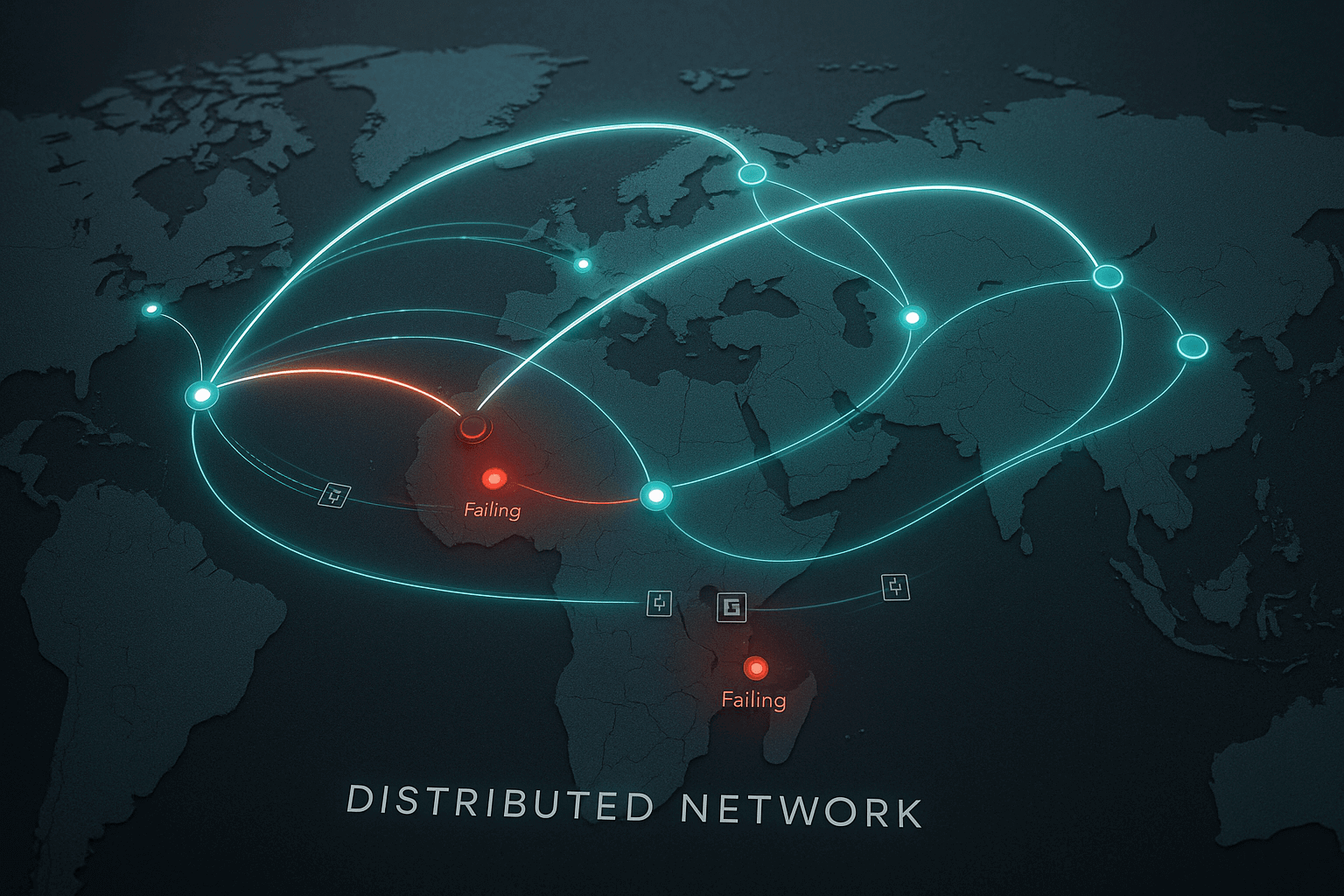
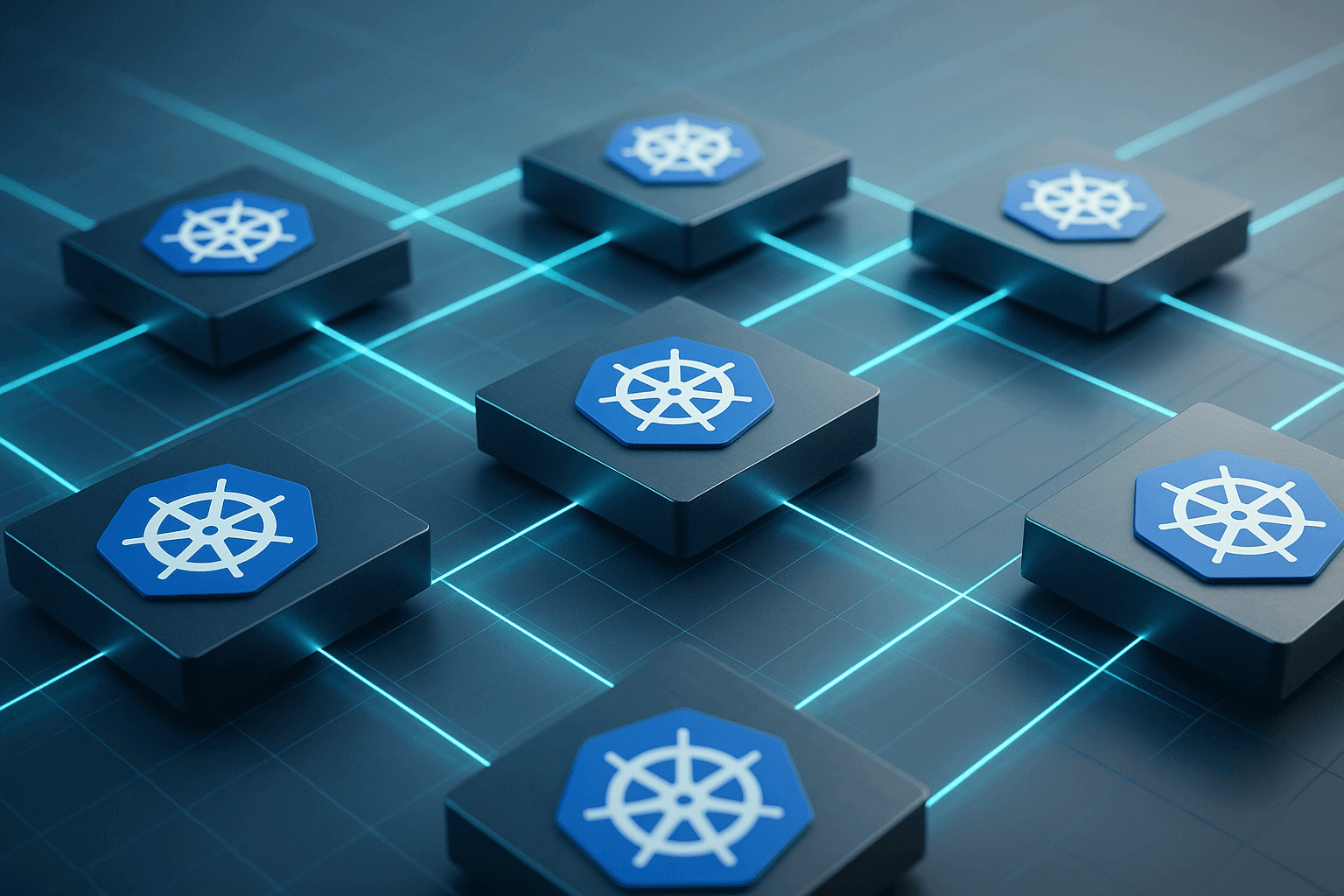
The foundation of any enterprise-scale Kubernetes deployment begins with cluster architecture decisions that will impact performance and scalability for years to come. Multi-cluster strategies have emerged as a critical pattern, where organizations distribute workloads across multiple smaller clusters rather than attempting to scale a single massive cluster. This approach provides better fault isolation, enables regional distribution for latency optimization, and simplifies compliance requirements by allowing workload segregation.
Cluster sizing represents another crucial architectural decision. While Kubernetes theoretically supports clusters with thousands of nodes, practical limitations emerge well before these theoretical limits. Network latency between the control plane and worker nodes, etcd performance characteristics, and the overhead of managing large numbers of pods create natural boundaries. Most enterprises find that clusters with 300-500 nodes provide the optimal balance between operational complexity and resource efficiency.
The control plane itself requires careful planning at enterprise scale. High availability configurations become non-negotiable, with multiple master nodes distributed across availability zones to prevent single points of failure. However, etcd performance often becomes the limiting factor before CPU or memory constraints affect the API server. Implementing dedicated etcd clusters with fast SSD storage and optimized network connectivity ensures that the foundational data store can handle the transaction volume generated by large-scale deployments.
Resource Management and Capacity Planning
Effective resource management at enterprise scale requires moving beyond basic resource requests and limits to implement sophisticated capacity planning and optimization strategies. The key lies in understanding that Kubernetes resource allocation operates on multiple levels, from individual container specifications to cluster-wide policies that govern resource distribution.
Resource quotas and limit ranges provide the framework for multi-tenant resource governance, but their implementation requires careful balancing. Too restrictive, and development teams find themselves constantly battling resource constraints. Too permissive, and noisy neighbors can impact performance across the cluster. Successful enterprise deployments typically implement tiered resource allocation strategies, where critical production workloads receive guaranteed resources while development and testing environments operate with more flexible allocation models.
Key autoscaling considerations include:
- Horizontal Pod Autoscaling (HPA) excels at handling predictable traffic spikes and sustained load increases, but can create instability if configured with aggressive scaling policies
- Vertical Pod Autoscaling (VPA) provides value for workloads with variable resource requirements, but requires sufficient historical data to make informed scaling decisions
- Cluster autoscaling can significantly improve resource utilization and cost efficiency, but requires careful integration with cloud provider APIs and consideration of startup times for new nodes
Network Optimization and Service Mesh Integration
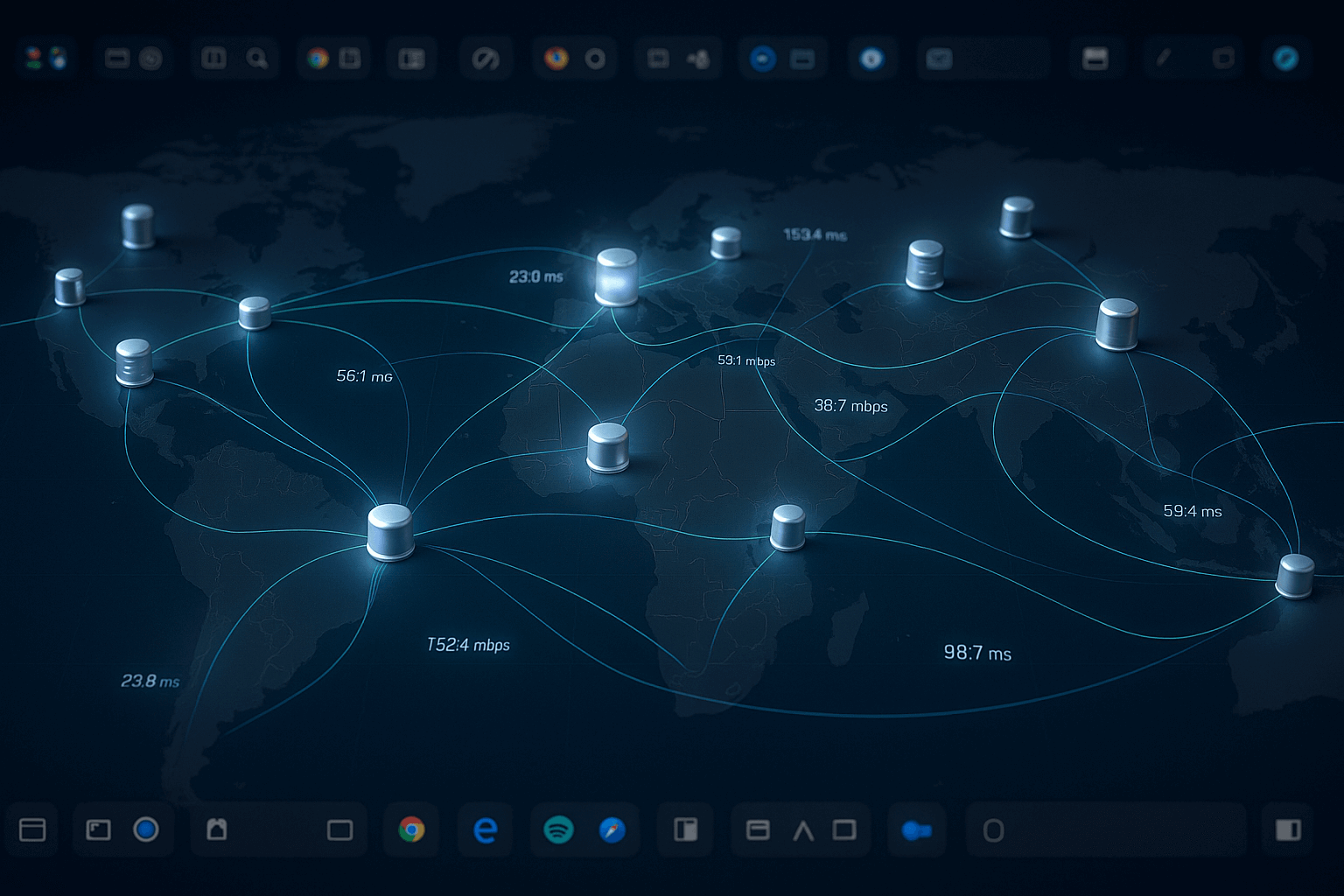
Network performance often becomes a bottleneck in large-scale Kubernetes deployments, particularly as east-west traffic between services increases exponentially with cluster size. The choice of Container Network Interface (CNI) plugin significantly impacts both performance and scalability characteristics. While overlay networks like Flannel or Weave provide simplicity and broad compatibility, they introduce additional network hops that can impact latency-sensitive applications.
High-performance CNI implementations such as Calico or Cilium offer better scalability characteristics by leveraging native routing capabilities and implementing network policies at the kernel level. These solutions require more sophisticated network configuration but provide the performance headroom necessary for enterprise-scale deployments. The integration of eBPF-based networking solutions represents the cutting edge of Kubernetes networking, offering unprecedented visibility and performance optimization capabilities.
Service mesh technology has become increasingly important for managing service-to-service communication at scale. While the additional infrastructure overhead may seem daunting, service meshes like Istio or Linkerd provide essential capabilities for enterprise environments including traffic management, security policy enforcement, and observability that would be difficult to implement consistently across hundreds of services otherwise.
Service mesh optimization considerations:
- Sidecar proxy resource allocation and performance tuning
- Connection pooling strategies for efficient resource utilization
- Circuit breaker configurations to prevent cascade failures
- Centralized policy management and automatic mTLS implementation
Security and Compliance at Scale
Security considerations multiply in complexity as Kubernetes deployments scale to enterprise levels. The expanded attack surface, increased number of workloads, and complex inter-service communication patterns require comprehensive security strategies that go beyond basic RBAC configurations.
Pod Security Standards provide a foundation for workload security, but their implementation requires careful planning to avoid disrupting existing applications while improving security posture. The transition from Pod Security Policies to Pod Security Standards represents an opportunity to implement more granular security controls, but requires coordination across development teams to ensure compatibility with existing deployment practices.
Network policies become crucial for implementing microsegmentation at scale, but their complexity increases dramatically with the number of services and communication patterns. Default-deny network policies provide the strongest security posture but require comprehensive mapping of legitimate service communication patterns. Many enterprises implement a phased approach, starting with permissive policies and gradually tightening restrictions as they gain confidence in their service communication patterns.
Secrets management represents another critical security challenge at scale. While Kubernetes provides basic secret storage capabilities, enterprise environments typically require integration with external secret management systems like HashiCorp Vault or cloud provider secret services. The challenge lies in providing seamless access to secrets while maintaining audit trails and implementing proper rotation policies across hundreds or thousands of workloads.
Monitoring and Observability Infrastructure
Observability becomes exponentially more important as Kubernetes deployments scale, but traditional monitoring approaches often fail to handle the volume and complexity of telemetry data generated by large clusters. The three pillars of observability - metrics, logs, and traces - each require specialized strategies for enterprise-scale implementations.
Metrics collection through Prometheus provides excellent visibility into cluster and application health, but requires careful consideration of data retention policies and storage scaling strategies. The Prometheus federation model allows for hierarchical metrics collection, where cluster-level Prometheus instances collect and aggregate metrics before forwarding them to centralized storage systems. This approach reduces the load on individual clusters while maintaining comprehensive visibility across the entire infrastructure.
Observability challenges at scale:
- Log aggregation must handle massive throughput while providing efficient search and analysis capabilities
- Distributed tracing requires careful sampling strategies to manage overhead while preserving critical debugging information
- OpenTelemetry integration provides standardized instrumentation but requires specialized tooling for analysis and correlation
Operational Excellence and Automation
The operational complexity of enterprise-scale Kubernetes deployments necessitates high levels of automation and standardization. GitOps methodologies provide a foundation for declarative infrastructure management, where the desired state of clusters and applications is defined in version-controlled repositories and automatically synchronized with running environments.
Continuous deployment pipelines must be designed to handle the scale and complexity of enterprise environments while maintaining safety and reliability. Progressive deployment strategies like canary releases and blue-green deployments become essential for managing risk when updating applications across large numbers of instances. However, these strategies require sophisticated traffic management capabilities and comprehensive health checking to ensure successful rollouts.
Critical operational considerations:
- Disaster recovery planning must account for persistent data, cluster configuration, and application state across distributed environments
- Cross-region cluster replication and automated failover capabilities for meeting enterprise availability requirements
- Team expertise development and comprehensive documentation for managing complex enterprise deployments
- Regular disaster recovery exercises and chaos engineering practices to validate system and operational resilience
Conclusion
Optimizing Kubernetes for enterprise-scale deployments requires a holistic approach that addresses architecture, resource management, networking, security, observability, and operations. Success depends on understanding that scale introduces qualitative changes in system behavior, not just quantitative increases in resource requirements.
The path to enterprise-scale Kubernetes success involves careful planning, incremental implementation, and continuous optimization based on real-world operational experience. While the complexity may seem daunting, the benefits of a well-optimized Kubernetes platform - including improved resource utilization, faster deployment cycles, and enhanced operational efficiency - provide substantial returns on the investment in proper implementation.
Organizations embarking on this journey should focus on building strong foundational practices while maintaining flexibility to adapt as their understanding of their specific requirements evolves. The Kubernetes ecosystem continues to mature rapidly, with new tools and best practices emerging regularly to address the challenges of enterprise-scale deployments.