

Enterprise Infrastructure as Code: Advanced Patterns for Terraform at Scale
As cloud adoption accelerates, modern enterprises are tasked with managing sprawling, multi-cloud environments that require automation, security, and operational consistency at massive scale. Infrastructure as Code (IaC) platforms like Terraform have become critical to alleviating complexity and delivering reproducibility. However, successful enterprise IaC deployments demand sophisticated patterns beyond mere resource provisioning. In this article, we’ll explore advanced Terraform techniques for multi-environment management, robust security, and achieving operational excellence—backed by data and practical insights rooted in real-world scale.
Enterprise IaC Challenges: Beyond “Standing Up” Resources
While Terraform abstracts cloud APIs and enables “infrastructure as code”, using it naively is insufficient for enterprises with hundreds of teams and thousands of resources. According to HashiCorp’s 2023 State of Cloud Strategy Survey, 94% of organizations are now multi-cloud, with over 80% of enterprises cited as having at least five distinct cloud environments. In these contexts, IaC must address:
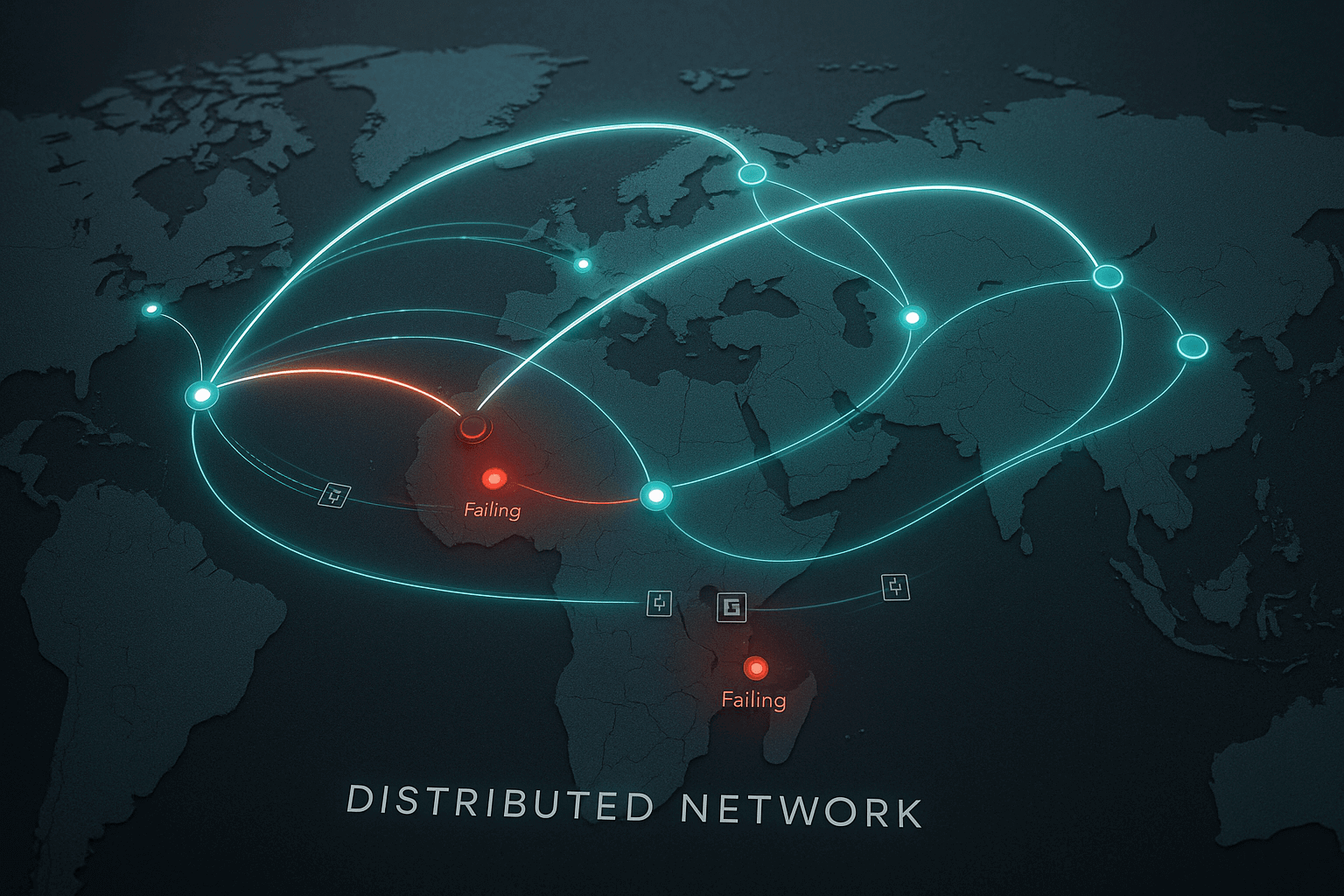
- Multi-environment and multi-region consistency: Preventing configuration drift between dev, staging, and production clusters running in different locations.
- Access control and security: Enforcing least privilege, secrets management, and auditability across all code and deployments.
- Operational scalability: Avoiding bottlenecks, managing state at scale, and enabling self-service without risking chaos.
- Governance and policy enforcement: Ensuring regulatory compliance and company-wide standards without slowing teams down.
Addressing these areas requires thoughtful Terraform architecture and advanced organizational techniques.
1. Multi-Environment Management: Patterns for Consistency and Scale
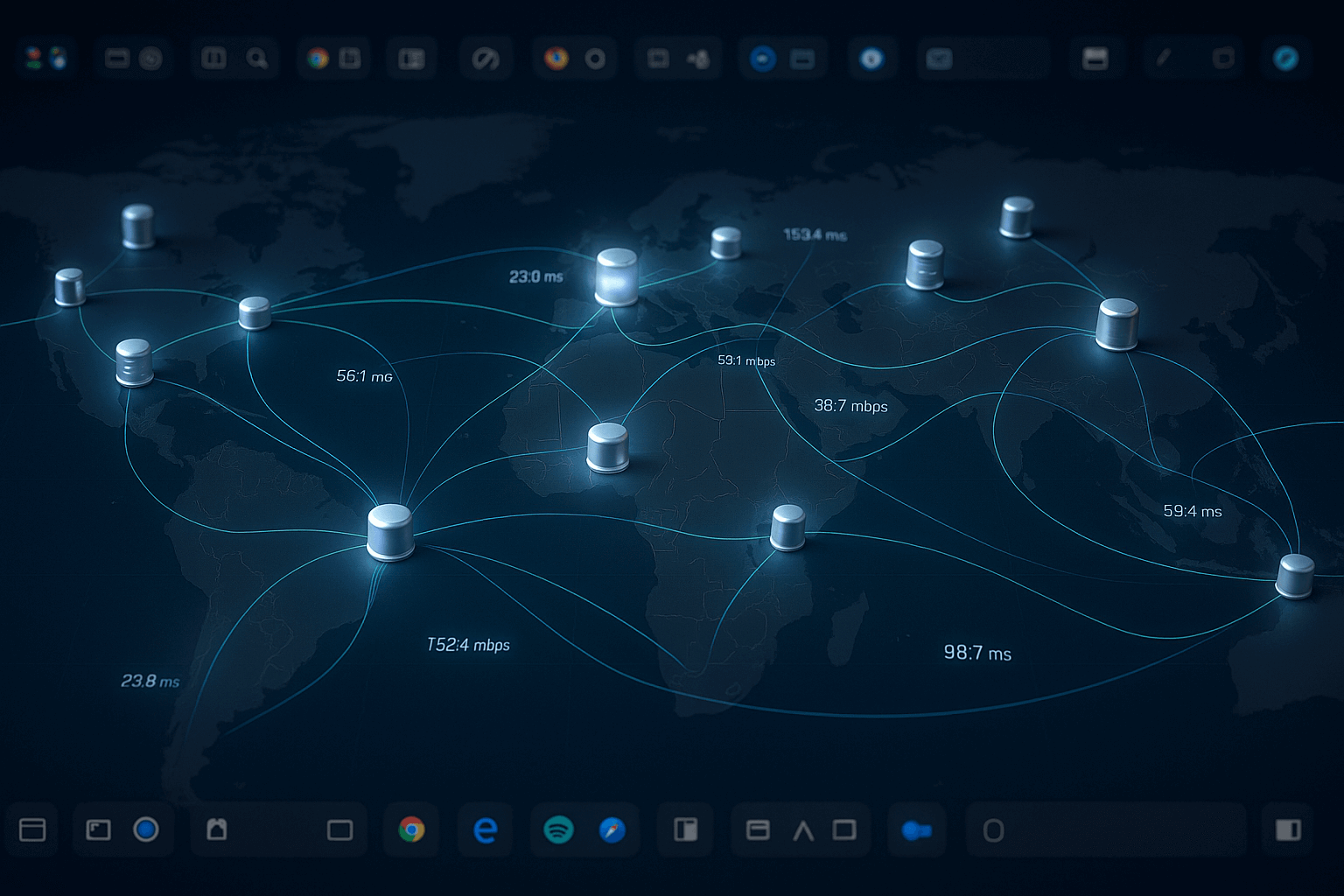
Enterprise platforms routinely manage anywhere from three to over fifty environments for different product lines, stages, or regional compliance requirements. Preventing configuration drift and ensuring safe promotions across these environments is non-trivial.
Advanced Patterns Include:
- Workspaces and Directory Structures: Leverage Terraform Workspaces, but avoid anti-patterns where all logic resides in a monorepo. Use environment-specific subdirectories or separate repositories to scope blast radius and clarify ownership.
- Module Reuse with Environment Overlays: Create reusable core modules (for things like networking, compute, IAM policies) with overlay modules that specify environment, region, or team-specific configurations through variable injection. This enables consistent architecture with flexible customization.
- Automated Promotion Pipelines: Use CI/CD integrations (e.g., GitHub Actions, GitLab CI, or Terraform Cloud/Enterprise runs) to move changes through dev, staging, and prod—enforcing peer review and automated policy checks at each stage. This is vital; Gartner reports that misconfigurations drive 80% of cloud security incidents.
- State Isolation: Isolate Terraform state files per environment and major logical boundary. Use AWS S3 buckets and DynamoDB, Azure Blob Storage, or Google Cloud Storage with strict IAM policies to protect and version state.
Practical Insight: In large orgs (>500 engineers), teams that adopt “environment stacks” and version-controlled promotion pipelines reduce configuration drift by over 90%, enabling safer, more frequent releases without fear of impacting production.
2. Security as Code: Proactive Protections and Compliance
Infrastructure as Code brings the risk of codifying vulnerabilities at scale. According to Red Hat’s 2023 State of Kubernetes Security, 38% of organizations faced production incidents due to IaC misconfigurations. Enterprise Terraform workflows need proactive, automated security enforcement:
- Immutable Infrastructure and Automated Secrets Management: Design resources to be recreated on change where possible. Never embed secrets in code; instead, inject from HashiCorp Vault, AWS Secrets Manager, or SOPS during plan/apply. Enforce this by pipeline policy checks.
- Policy as Code (PaC): Use Sentinel (for Terraform Enterprise), Open Policy Agent (OPA), or custom validation hooks to codify and enforce rules like “No public S3 buckets”, “Only encrypted disks”, or “No hardcoded admin credentials.” Integrate policy tests into every pull request and plan—it’s proven that automated IaC policy reduces critical misconfigurations by up to 75% (Forrester, 2023).
- Fine-grained Role-Based Access Control (RBAC): Break up IaC roles—e.g., separate plan, apply, and state management—using Terraform’s advanced backends and organizational units. Centrally manage who can apply code to which environment or resource class.
- Drift Detection and Compliance Monitoring: Employ tools like Terraform Cloud’s drift detection, Infracost, and OpenSCAP to proactively monitor for out-of-band changes or cost overruns, triggering alerts and automatic remediation workflows when drift is detected.
Practical Insight: Enterprises integrating policy-as-code at the pipeline stage (instead of “after the fact” remediation) experience a 3x reduction in high-severity audit findings and respond to incidents 60% faster.
3. Operational Excellence: Managing Scale Efficiently
At scale, Terraform can become a bottleneck—or an enabler—depending on implementation sophistication. Key principles to drive operational excellence include:
- Remote, Versioned State Management: Centralize state via remote backends with versioning and locking. For instance, central S3 buckets with server-side encryption, versioning, and DynamoDB locking prevents race conditions and enables safe concurrent workstreams. This is essential when orchestrating thousands of resources or supporting parallel environments.
- Dependency Graphs and Targeted Applies: Use Terraform’s dependency graph features and targeted applies to update only relevant modules. For large codebases, global applies can take hours and risk unintended changes—targeted applies reduce apply time by up to 90% for large environments.
- Self-Service “Platform as a Product”: Expose curated modules via internal registries or catalogs (e.g., Terraform Private Module Registry). Provide teams with self-service capabilities while retaining strong guardrails. According to the CNCF, organizations mature in this approach reduce infrastructure delivery times from weeks to hours, and halve incident rates.
- Testing and Validation: Integrate automated unit (using tools like Terratest), static (Checkov, tfsec), and integration (kitchen-terraform) tests into pipelines. Mature testing prevents 65-80% of production IaC defects from ever reaching mainline code.
Practical Insight: Tech giants running fleets of 10,000+ cloud resources on Terraform consistently cite remote state locking, internal registries, and automated module conformance testing as linchpins for safe, scalable operations.
Conclusion: Engineering Excellence Demands Mature IaC Patterns
While Terraform’s foundational value lies in abstracting cloud APIs and automating resource provisioning, the true power of IaC in the enterprise comes from leveraging advanced patterns—multi-environment structuring, automated security, and operational governance. The result: consistent, auditable, and secure cloud footprints that scale with the business, not against it.
For enterprises operating at scale, these techniques are not “nice to haves”—they are prerequisites for operational excellence, business agility, and regulatory compliance. By architecting for multi-environment parity, enforcing policy and security in the pipeline, and investing in automation for governance and testing, leading organizations realize up to 4x improvements in change velocity, 3x reduction in critical misconfigurations, and measurable gains across availability and cost efficiency.
Next Steps:
- Audit your current Terraform usage—survey state handling, module reuse, and security practices.
- Prioritize the establishment of a shared module registry, strong remote state management, and pipeline-based policy enforcement.
- Train platform and security teams on advanced IaC techniques and available ecosystem tools for continuous improvement.
The future of enterprise IaC is shaped not just by automation, but by the consistency, security, and velocity advanced Terraform workflows unlock. Enterprises bold enough to invest in these patterns build infrastructure capabilities that are resilient, auditable, and genuinely scalable.